
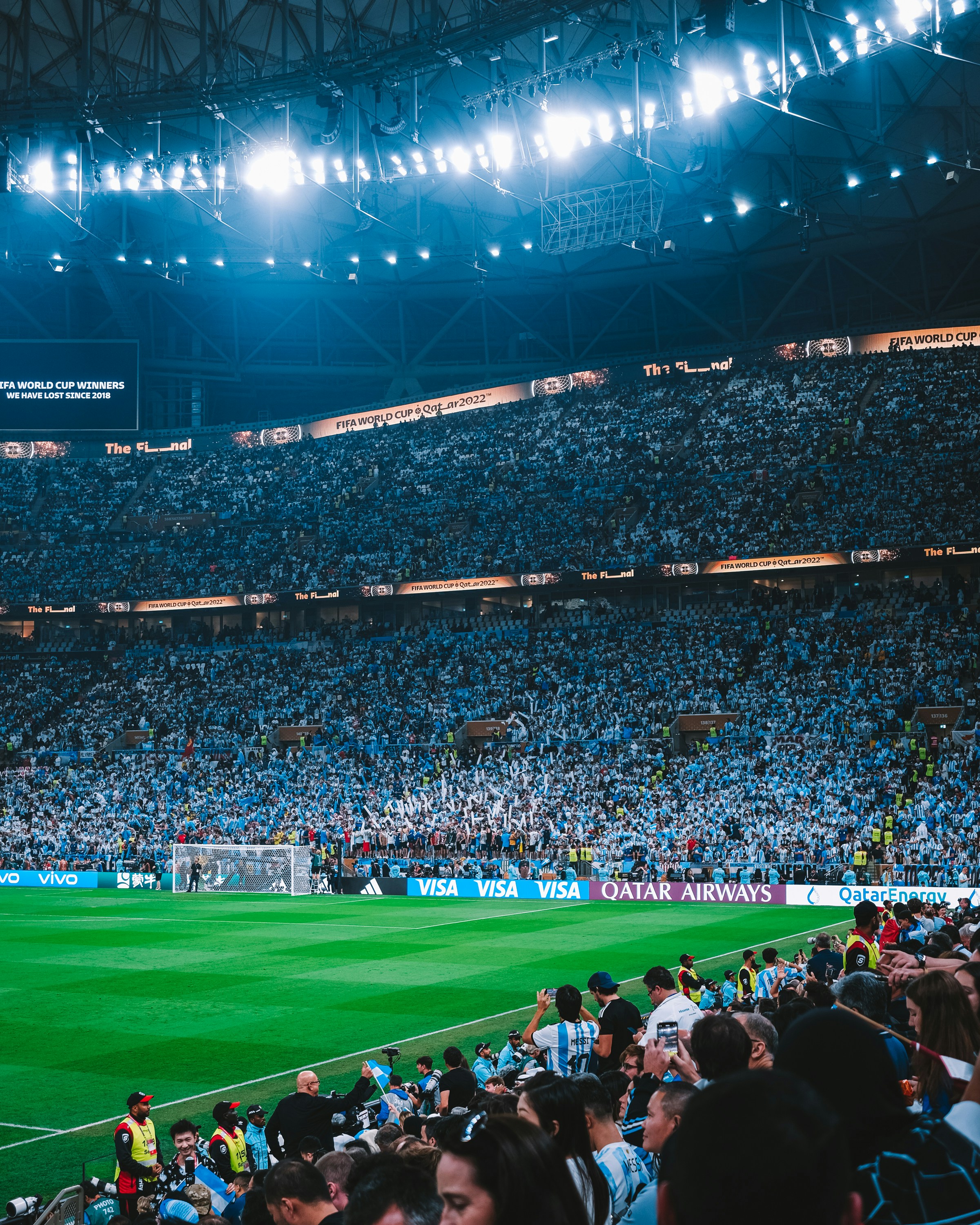
The 2026 FIFA World Cup is one of the largest ticketing operations the live-event industry has ever seen.
104 matches. Three host countries. 48 teams. Millions of fans moving across different cities, venues, jurisdictions and purchase windows.
It is also an important test case for something every ticketing platform is now facing: what happens after the first sale.
For menta tech, a company focused entirely on white-label resale infrastructure for primary ticketing platforms, the World Cup is not only a major sporting event. It is a live case study in ticket lifecycle control.
For years, resale was treated as a secondary issue. Something that happened outside the platform, after the primary transaction was complete. But at the scale of the World Cup, the secondary market becomes impossible to ignore. It reflects demand, liquidity, fan confidence, pricing sensitivity and operational pressure in real time.
That makes resale more than a fan-to-fan feature. It makes resale infrastructure.
Resale is a demand signal
Recent reporting around World Cup ticket activity has shown meaningful movement across resale markets, with softer demand visible for some fixtures and continued high pricing around premium matches.
The exact numbers will continue to change as the tournament approaches. But the underlying signal is clear: demand is not uniform.
It varies by team, city, travel cost, match timing, venue, category, fanbase and competitive relevance. A global event does not produce one simple demand curve. It produces hundreds of micro-markets.
That is where resale becomes operationally valuable.
When resale activity happens inside the primary platform, operators can see how demand is behaving after the first sale. They can understand where tickets are moving, where liquidity is slowing, where pricing may be disconnecting from fan expectations and where additional communication or operational intervention may be needed.
When resale happens outside the platform, those signals still exist.
The platform just cannot use them.
Pricing and resale cannot be separated
Demand-based pricing has become a bigger part of live-event ticketing. Used carefully, it can help align price with demand and reduce the gap between official prices and what fans later see in the secondary market.
But it also raises an important industry question: how do pricing decisions at the point of primary sale affect ticket movement later?
If a ticket is priced aggressively in the primary market, that decision does not end at checkout. It can affect whether the buyer attends, whether they try to resell, whether another fan is willing to buy, and whether the official channel remains the most trusted place for that transaction.
This is why primary pricing and resale strategy need to be connected.
A platform that only sees the first sale has one part of the picture. A platform that also controls the resale environment can see the full lifecycle of the ticket: purchase, listing, pricing, transfer, resale, validation and entry.
That full view matters more as ticketing becomes more dynamic, more regulated and more scrutinised.
Fee design matters
Resale fees are not just a revenue mechanism. They shape behaviour.
If fees are too high, sellers may be less likely to list. Buyers may be less likely to complete a purchase. Liquidity may slow down, especially for lower-demand events where the perceived value of the ticket is already under pressure.
If fees are too low, the platform may leave value on the table or fail to fund the operational layer required to run resale properly: identity checks, payment flows, ticket validation, fraud prevention, support, compliance and reporting.
There is no universal answer.
The right fee structure depends on the event, the market, the regulatory context, the level of demand and the platform’s commercial objective. That is why resale fees should be treated as a configurable part of the system, not a fixed default.
The strongest resale models give platforms the ability to design fees intentionally.
Official is only the starting point
Launching an official resale channel is important. But “official” alone is not enough.
Fans need to understand what they are paying, what the seller receives, when the ticket is valid, how ownership changes, what happens if plans change and where they can safely complete the transaction.
For platforms, this means resale cannot be separated from the broader ticketing experience. It has to connect with identity, ticket delivery, transfers, payments, refunds, pricing rules, compliance requirements and gate validation.
Otherwise, the resale channel may be official in name, but disconnected in practice.
Trust is created by how the system behaves.
What the industry should take from this
The World Cup is not just a major sporting event. It is a stress test for modern ticketing.
It shows how quickly demand can shift. It shows how pricing, fees and resale liquidity are connected. It shows why platforms need visibility into what happens after the first sale. And it shows why resale can no longer be treated as something that sits outside the core ticketing stack.
For primary ticketing platforms, the implication is clear.
Resale should not be a redirect.
It should not be a disconnected marketplace.
It should not be an afterthought.
It should be part of the infrastructure.
This is the layer menta tech was built to provide: platform-native resale infrastructure that allows primary ticketing companies to define their own rules, keep the fan journey inside their ecosystem and connect resale to the operational realities of ticketing.
The next generation of ticketing platforms will not treat resale as something that happens after the primary sale is complete. They will treat it as part of the ticket lifecycle: connected to pricing, rules, identity, payments, compliance, transfers, reporting and entry.
That is the shift now becoming visible at global scale.
The World Cup is not creating this reality. It is exposing it.
Resale is not just a pricing problem.
It is an infrastructure problem.
menta provides enterprise-grade, white-label, platform-native resale infrastructure for primary ticketing platforms.
mentatech.io
Suggested sources: FIFA, Reuters, FIFA Resale/Exchange Marketplace FAQ, TicketData, Forbes, UEFA, Arsenal FC.